Security & data sovereignty
Oviro is installed on your own infrastructure, so your business data stays under your control. Access is assigned by role down to each store and warehouse, every important action leaves a trail, and spending that needs approval reaches the right approvers.
When sales, customer, and receivables data sits on a vendor's shared system, it is hard to know who is accessing it and hard to control where it is stored. Internally, either everyone sees everything or nobody knows who changed what.
With Oviro, data sits on your infrastructure, staff see only what they are assigned, and every important change can be traced: who did it, when, and on which object.
Control over data and access
Security is built in from where the data lives, through how permissions are assigned, to how actions are logged and approved.
Installed on your infrastructure
Dedicated server, private cloud, or hybrid. After installation, the business manages access to its own servers and data.
Role-based permissions
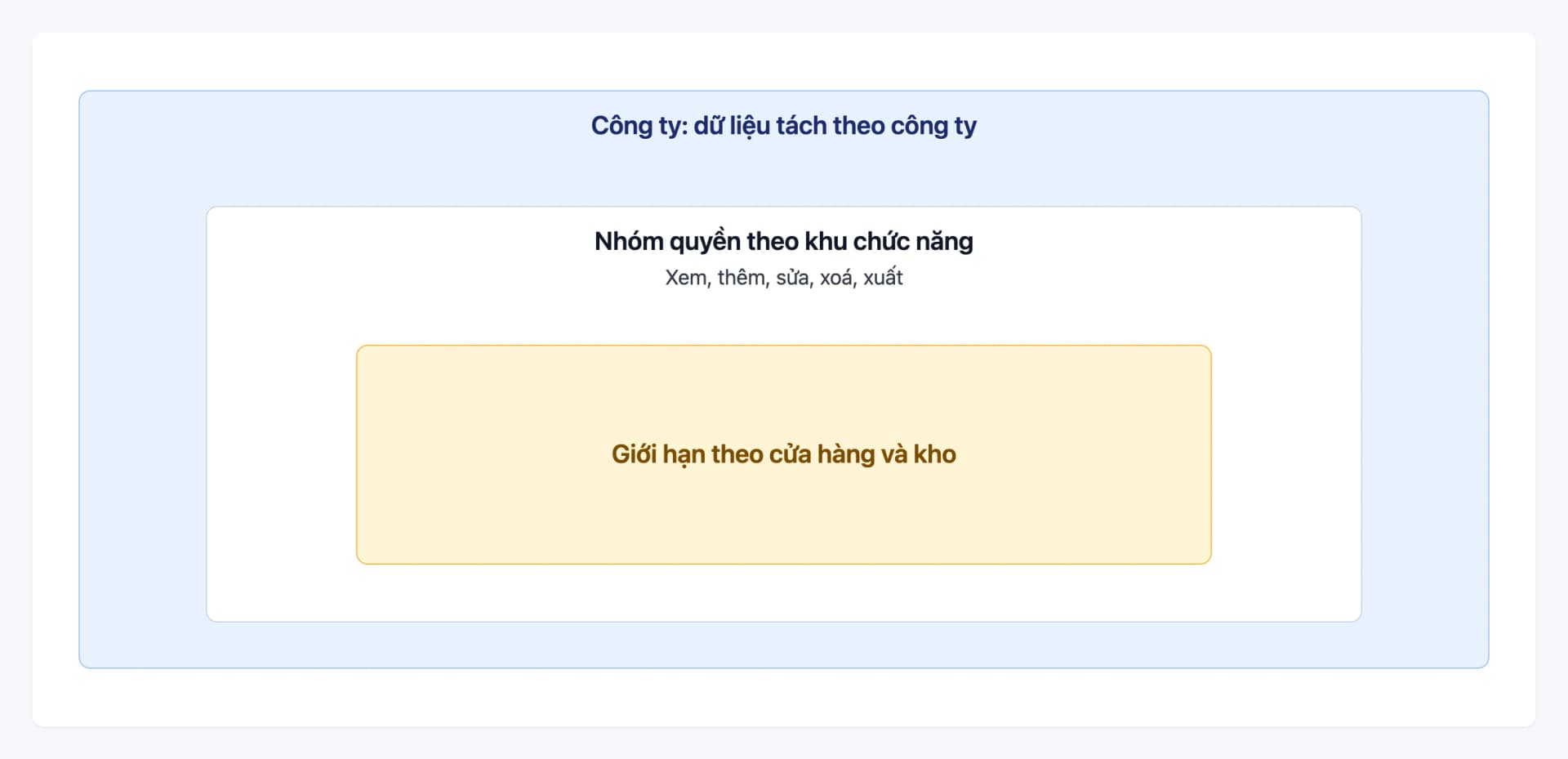
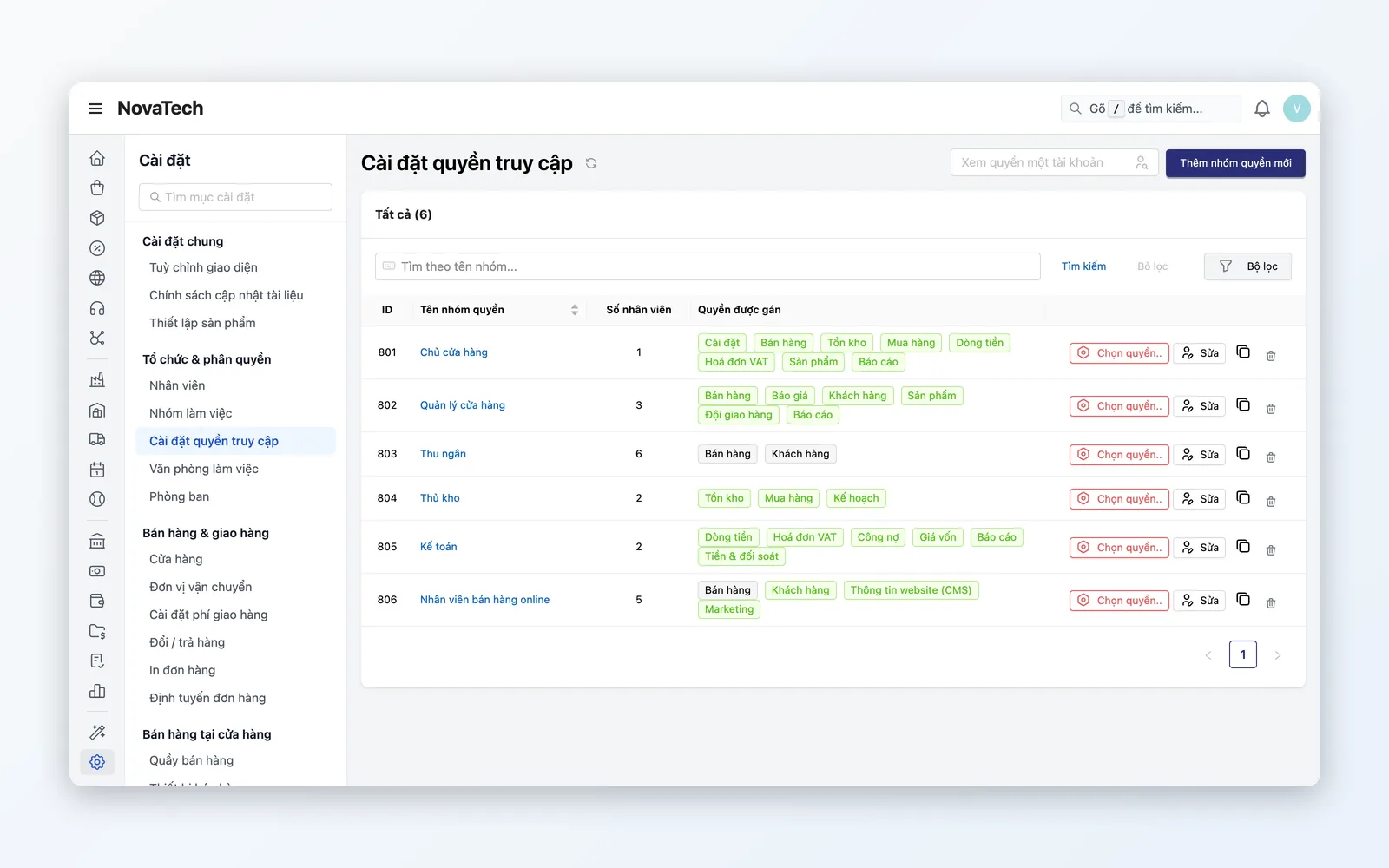
Permission groups define which actions are allowed in each functional area, and can be further restricted by store or warehouse.
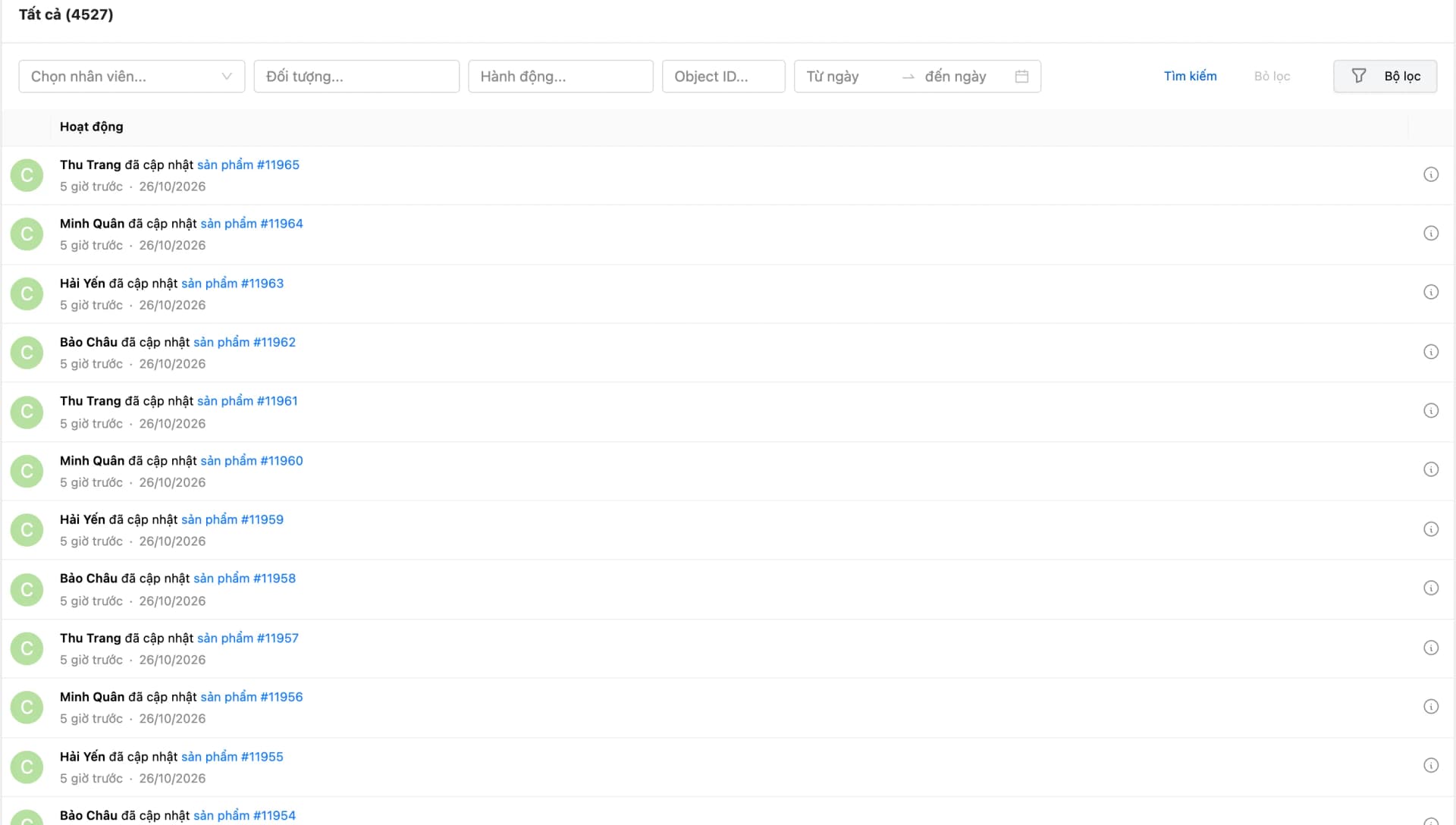
Activity log
Records who did what, when, and on which object. Filter by staff member, action, record code, and date range.
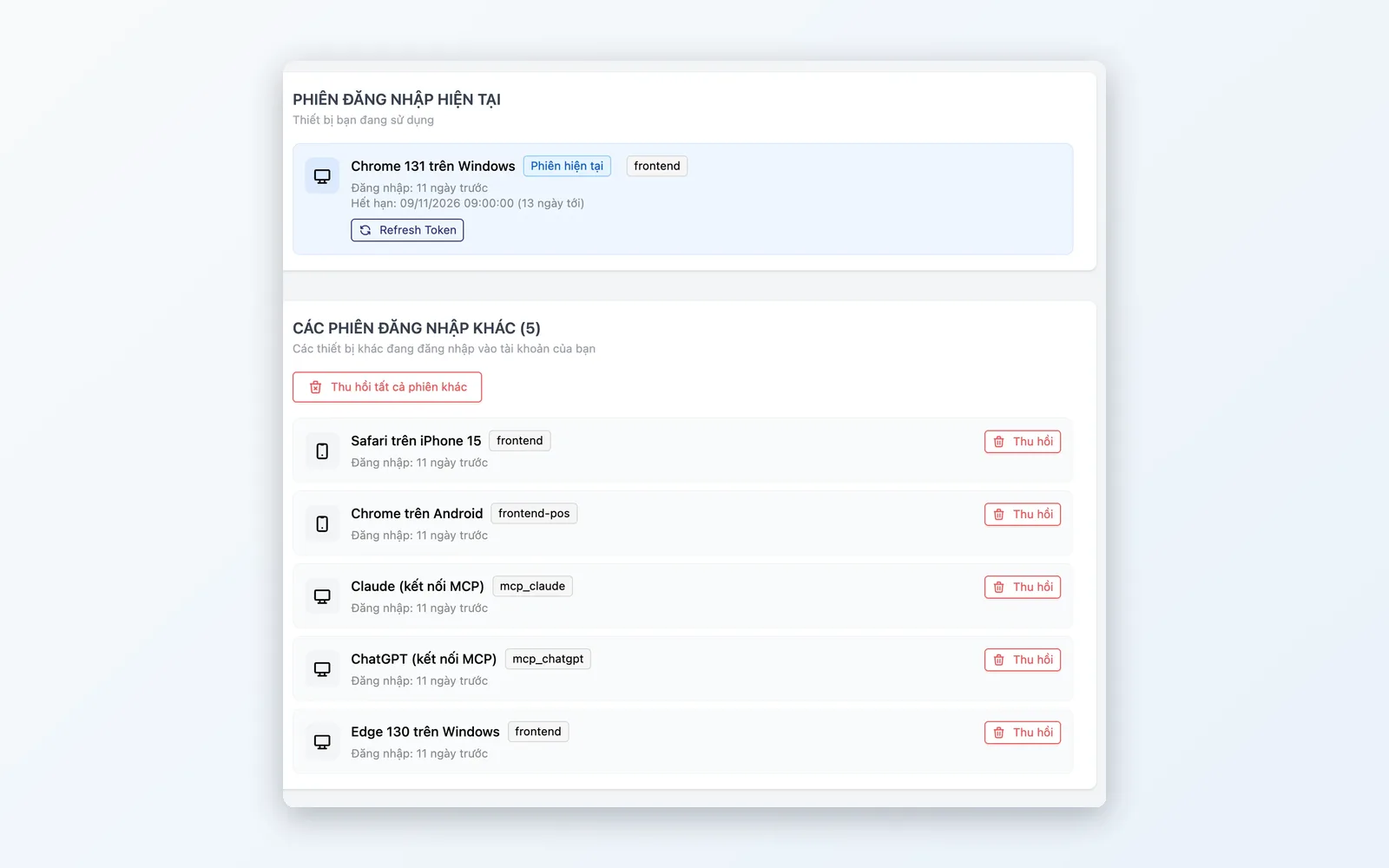
Revocable login sessions
Revoke all of a user's login sessions when needed, and the action is written to the log.
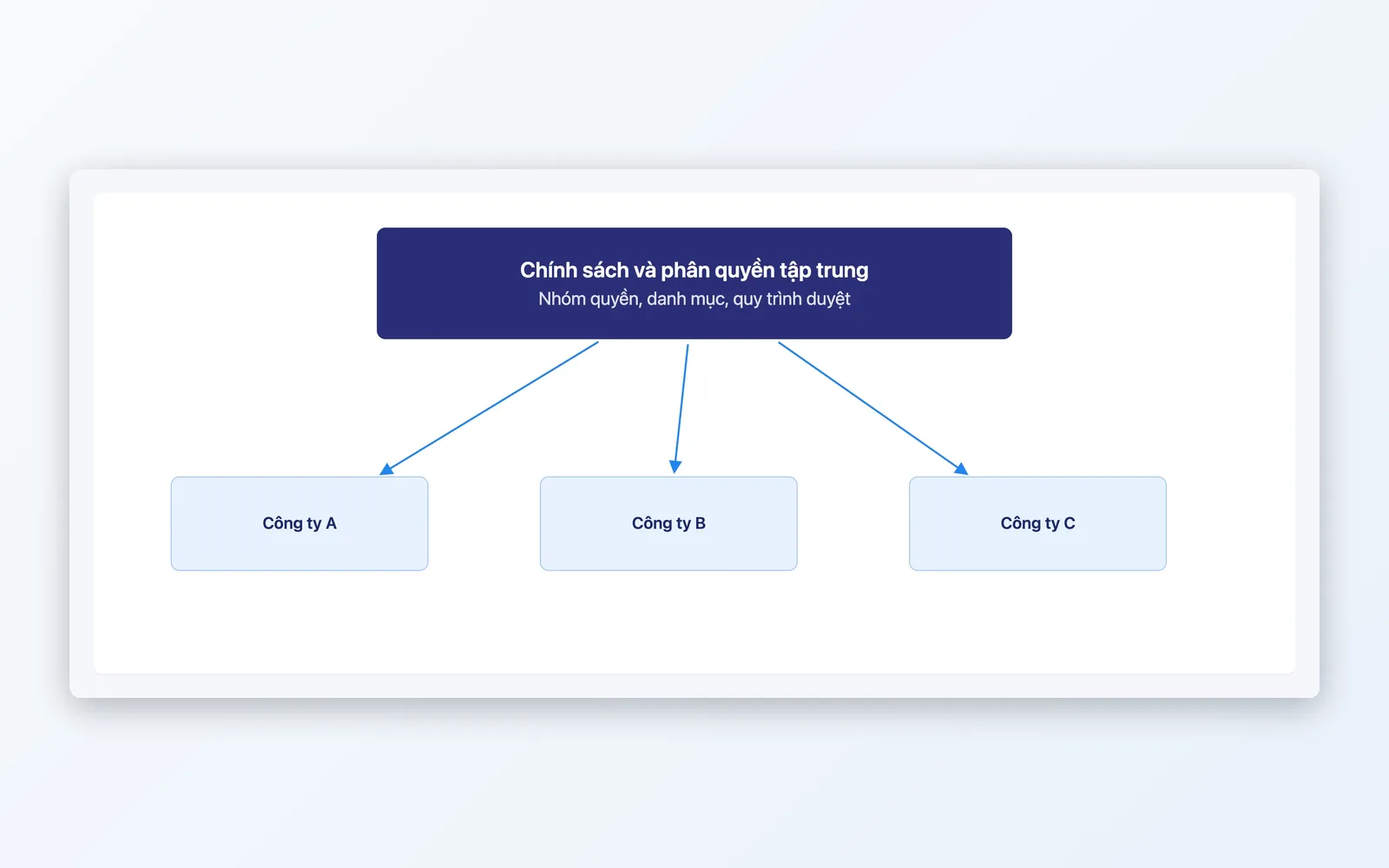
Data separated by company
Each company has its own data and staff; an account belonging to several companies must choose a company at login.
Layers of protection in the system
From access rights, external connections, and the AI assistant to payment control and period close.
Permissions & logs
Everyone can do only what they are assigned, and every action leaves a trail.
- Permission groups: view, add, edit, delete, export by functional area
- Restrict data by store or warehouse
- Quick view of the permissions applied to each staff member
- Activity log searchable by person, object, and date
Controlled external connections
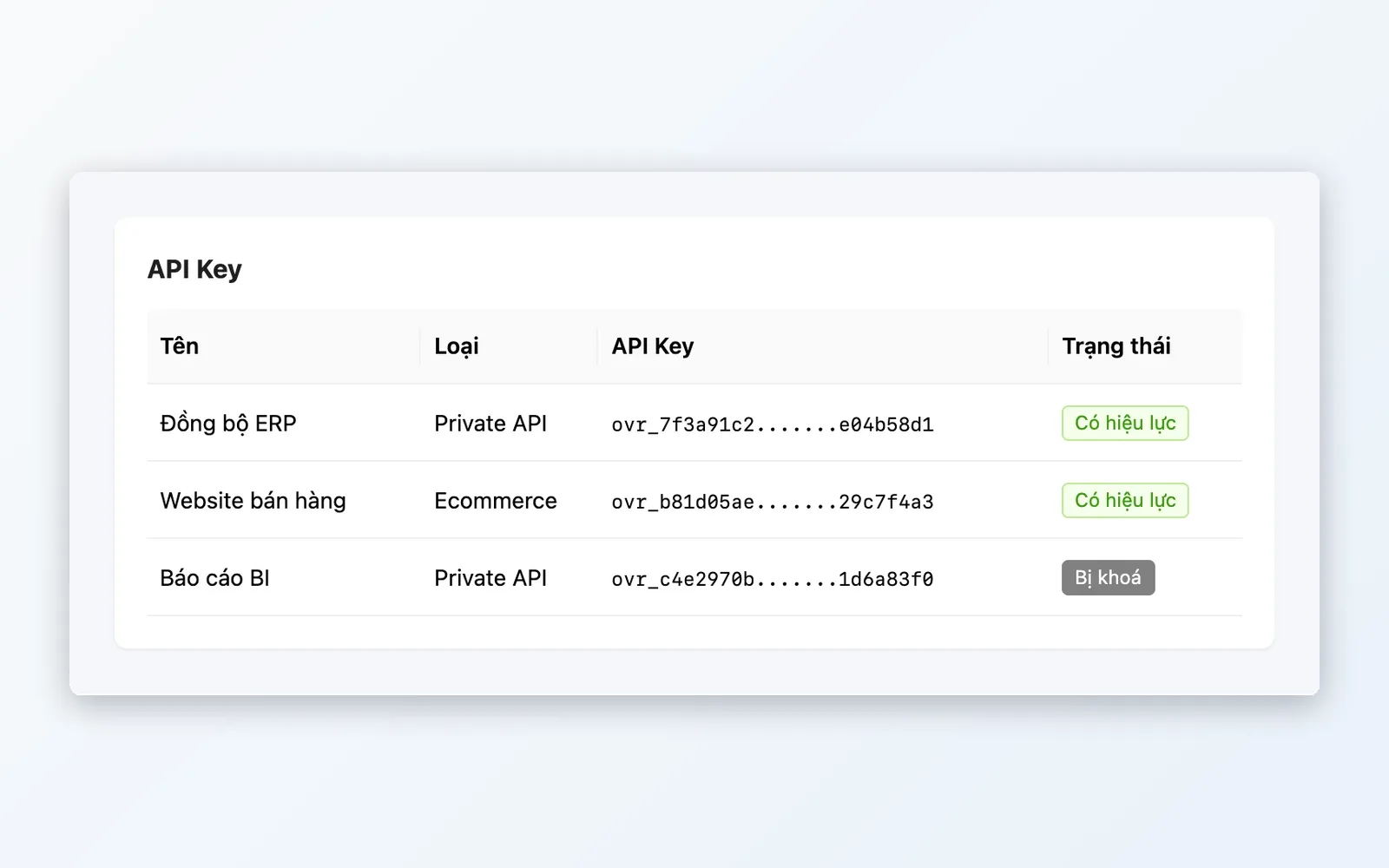
Other systems get access only through access points that administrators issue and can revoke.
- API Keys created by administrators, with secrets rotated when needed
- Restrict which IP addresses are allowed to call
- Webhooks send events to a URL you declare
- Revoke a user's login sessions
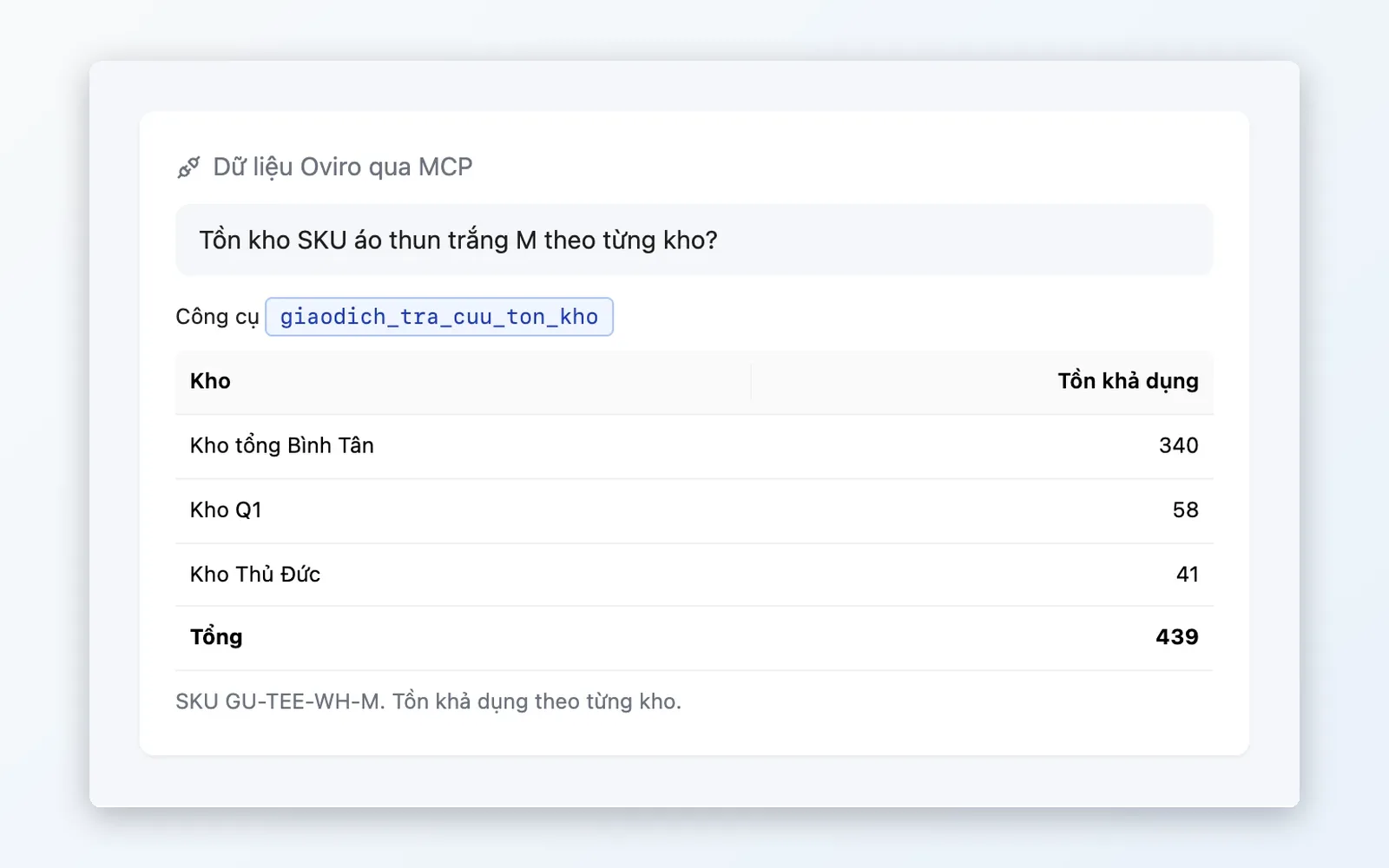
Ask AI for figures, read-only
Staff ask for figures through Claude or ChatGPT using their own Oviro account.
- Read-only: no creating, editing, or deleting data
- Each person sees only data within their own permissions
- Orders and stock are limited to the stores and warehouses assigned to each person
- Connection sessions appear in the session list so they can be revoked
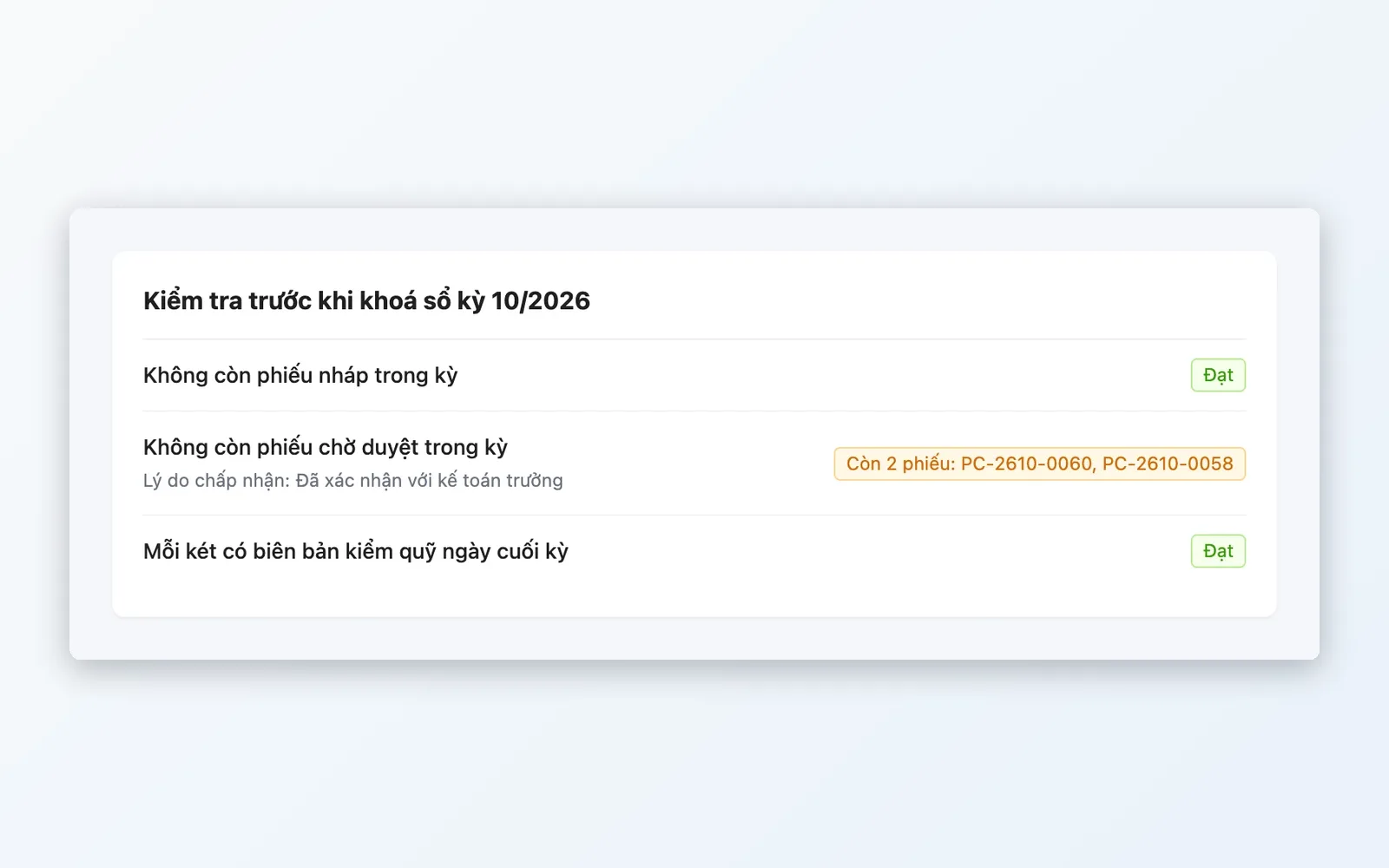
Cash control
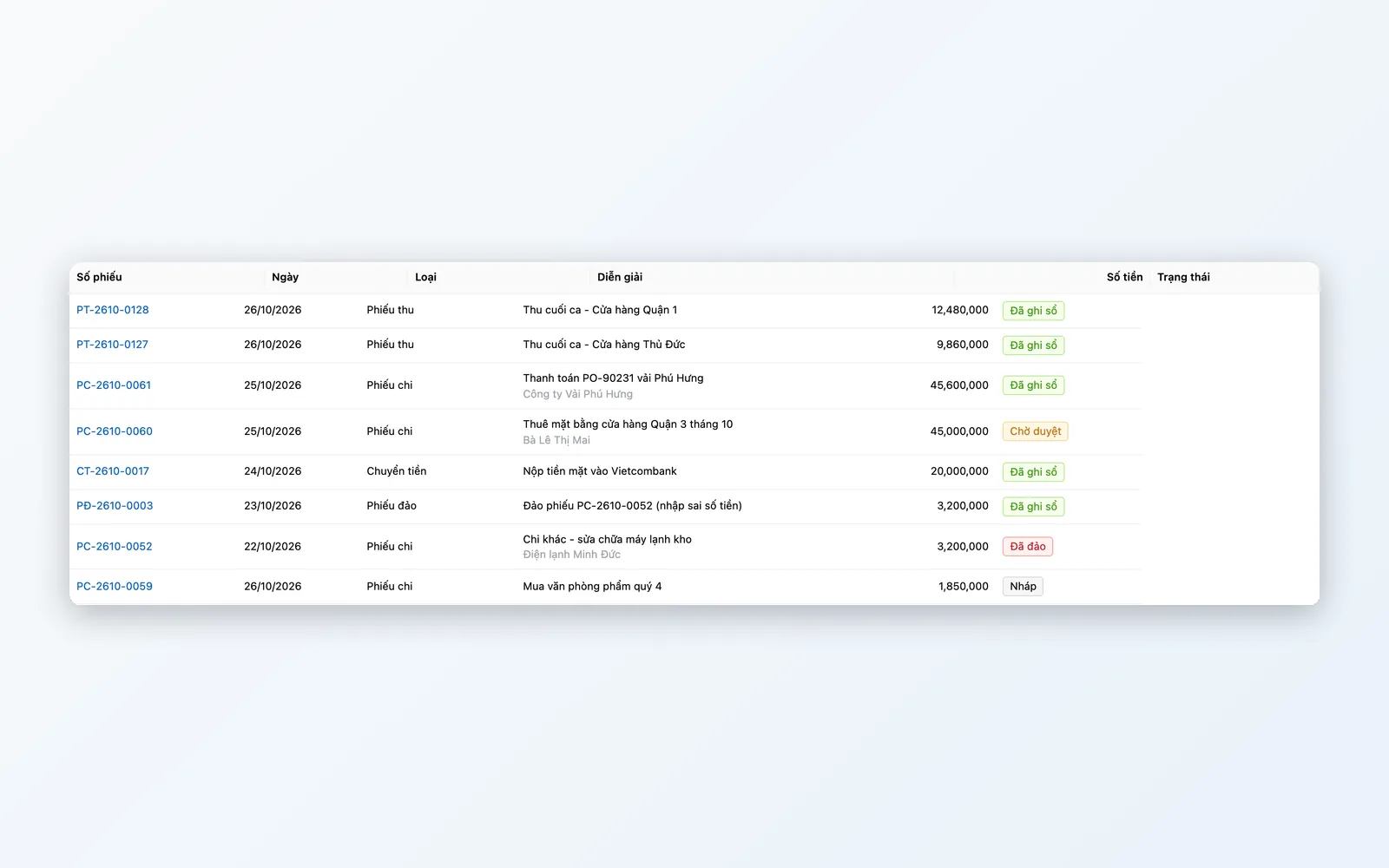
Important payments go through approval, and closed figures cannot be changed silently.
- Multi-step approval, with multiple approvers per step
- Limit the number of consecutive steps one person can hold
- Close the cash period up to a date; reopening requires a reason
- Self-approval option for small companies
Security in daily operations
Steps administrators typically take to keep the system tidy and safe.
Install on your infrastructure
Choose a dedicated server, private cloud, or hybrid. Data lives where the business decides.
Create permission groups by role
Cashier, warehouse manager, accountant, store manager: each group gets its own set of permissions and store or warehouse scope.
Assign staff to groups
One person can belong to several groups; the summary table shows which permissions each staff member has.
Set approval routes for sensitive actions
Payments, purchase order cancellations, and other actions go through the right approvers before they are completed.
Review and revoke when needed
Check the activity log, revoke login sessions, or lock an API Key when something looks suspicious.
Install on your infrastructure
Choose a dedicated server, private cloud, or hybrid. Data lives where the business decides.
Create permission groups by role
Cashier, warehouse manager, accountant, store manager: each group gets its own set of permissions and store or warehouse scope.
Assign staff to groups
One person can belong to several groups; the summary table shows which permissions each staff member has.
Set approval routes for sensitive actions
Payments, purchase order cancellations, and other actions go through the right approvers before they are completed.
Review and revoke when needed
Check the activity log, revoke login sessions, or lock an API Key when something looks suspicious.
Fits when data is an asset worth protecting
Businesses that care most about access rights and action trails.
Chains with many stores and warehouses
Store managers see only the orders and stock of the location they run; headquarters sees everything.
Groups with multiple companies
Each company's data is kept separate, and staff work in the company they are assigned to.
Cash and expense management
Payments need approvers, closed periods are locked, and every change leaves a history.
Why choose Oviro for sensitive data?
Data sits on your own infrastructure, which gives your business more control when working to meet personal data protection requirements. Access rights, logs, and approvals are built into the product, not add-on tools.
Talk about your security requirements
Tell us your preferred infrastructure and internal policies. The Oviro team will advise on a suitable deployment model and permission setup.